
Therapy for adults
who are tired of how serious life has become
You've been holding it together so carefully. Not because you wanted to, but because somewhere along the way, it felt like the only safe thing to do. And somewhere in all of that, the lightness seemed to fade away.
A space where your inner child learns to play again.
You go through the days but you don't feel like you're living your own life.
You're functioning. From the outside, everything looks fine. But inside, something has gone quiet. The spark, the ease, the sense that your life is yours.
You're not sure when that changed. You just know something is missing.
You might recognise yourself here.
"I go through the days but I don't feel like I'm living my own life."
"I've become so serious. I don't know when that happened."
"I'm always in my head. I can't seem to just be."
"I'm hard on myself all the time — and I don't even know why anymore."
"I want to feel like myself again. I just don't know who that is."
You're exactly the person SoulPlay is built for. Nothing about you needs to be fixed — you just need a space where you don't have to hold it all together for an hour.
Play is not childish.
It is a sign of courage.
At SoulPlay Therapy, play isn't about being silly or performing happiness. It's the quiet willingness to stop managing yourself for a moment — to loosen the grip, drop the mask, and let what you actually feel have room to breathe.
It's how real change happens. Not through willpower. Through curiosity.
"Play is not an activity. It is a state of mind." — Donald Winnicott
Somewhere inside you, there is a part that remembers what it felt like to be free. We find our way back to that part together.
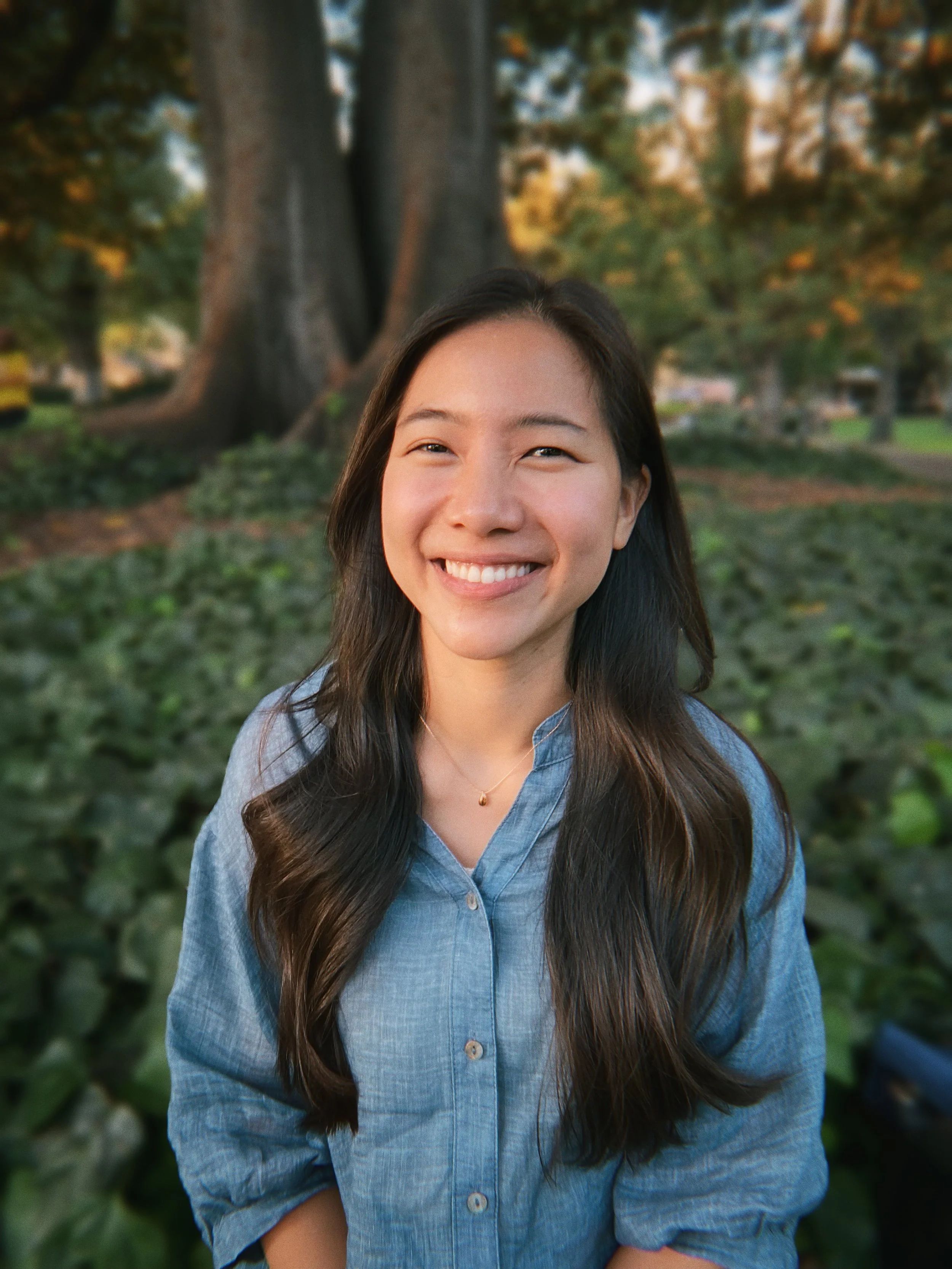
I lost play, too.
That’s why I built this.
I've always been a play person — curious, expressive, drawn to making and exploring. But life, as it often does, had other plans.
When I first moved to Melbourne, there was a moment in a gallery — quiet, unhurried, surrounded by art — where something clicked back into place. A reconnection with my spark. With the part of myself that had been quietly set aside in the push to be serious, to work, to earn, to build a life.
Then it faded. Immigrant life is heavy — a postgraduate degree to fund, family far away, visa stress, the weight of building from scratch. When I began my work as a therapist, a new pressure arrived: the belief that I had to be a certain kind of professional. Serious. Credible. Not like myself.
It was my own therapy that brought the light back. One question, quietly devastating in its simplicity: “Since when did I become so harsh on myself?”
Then I found Winnicott’s idea — that play is not an activity, it is a state of mind — and something landed. SoulPlay Therapy is what grew from that moment. It’s my practice, and my ongoing reminder to myself that play means possibility.
Mae · Thai–Australian Psychotherapist
PACFA Reg. Certified Practising · 31164
Based in Melbourne · Online & In-Person
Talk is not the only way in.
Sessions are shaped around you, not a fixed agenda. We move between these four access points — whichever feels right, that day.
Therapy that holds both of you.
In English
For Thai people
living overseas.
If you've ever felt like a different person depending on which language you're speaking — or like you're carrying something you can't quite put down because you don't want to worry your family — you're not alone.
There's a particular kind of weight that comes with being Thai and living abroad. The expectation to be strong. The habit of saying "ไม่เป็นไร" before you've even checked in with yourself. The quiet grief of not quite belonging fully to either place.
These things don't always have words in English. Sometimes they barely have words in Thai either.
I understand both worlds — not just the language, but the cultural weight that sits underneath it. In our sessions, we can move between Thai and English freely, whichever feels true in the moment.
ในภาษาไทย
พื้นที่สำหรับคนไทย
ที่อาศัยอยู่ต่างประเทศ
ถ้าคุณรู้สึกเหมือนเป็นคนละคนเวลาพูดคนละภาษา หรือรู้สึกว่ากำลังแบกอะไรบางอย่างไว้คนเดียว เพราะไม่อยากให้ครอบครัวเป็นห่วง คุณไม่ได้อยู่คนเดียวนะ
คนไทยที่อยู่ต่างประเทศหลายคนรู้ดีว่ามันหนักแค่ไหน ทั้งความคาดหวังจากครอบครัว ความรับผิดชอบที่แบกมาตลอด และการที่ต้องทำตัวเข้มแข็งอยู่เสมอ บางทีคำว่า "ไม่เป็นไร" มันก็กลายเป็นคำตอบอัตโนมัติไปโดยไม่รู้ตัว
เราเข้าใจทั้งสองโลก — ทั้งในเรื่องของภาษา วัฒนธรรม และความรู้สึก และในการพูดคุยกัน เราสามารถสลับระหว่างไทย-อังกฤษได้ตามที่คุณสบายใจ
Before you reach out.
Right where you are. You don't need to know what you want to talk about. You don't need a clear problem. Our first session is mostly about whether the space feels safe for you — and for me to listen to what you've been carrying, in whatever way it comes out.
This is one of the most common quiet worries I hear — and often a sign you've been minimising yourself for a long time. Therapy isn't a space you have to earn entry to by suffering enough. If something is quietly heavy, that's reason enough.
Usually — it looks like talking, just with more room. Sometimes we draw something, work with an image, or pay attention to what your body is doing while you speak. Nothing is forced. Play here means a willingness to be curious about yourself, rather than critical.
Yes — freely. Some feelings live in one language more than the other. You can start in English and drop into Thai when something deep surfaces, or the other way around. We'll move with whatever feels true.
Yes. Online sessions are available for anyone, anywhere. In-person sessions are available in Thornbury, Melbourne. You're welcome to start online and switch to in-person later, or stay online — whichever works for your life.
There's no fixed answer. Some people come for a season — a few months around a specific pressure point. Others stay longer because the work deepens. We'll talk about pacing and rhythm together; it's your process, shaped to your life.